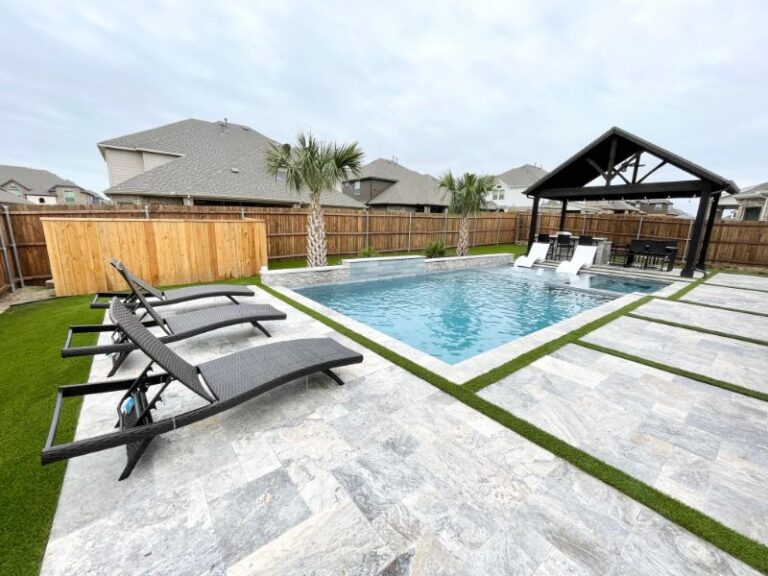
What Are the Signs You Need Immediate Pool Equipment Repair?
You may need immediate pool equipment repair in Dallas, TX, if your pool pump stops working, water circulation slows, equipment makes unusual noises, leaks develop, or electrical components malfunction. These warning signs can indicate failing equipment, unsafe operating conditions, or problems that could lead to costly damage. Prompt professional inspection helps protect your pool, equipment, and swimmers.
Your swimming pool should be a place to relax, not a source of unexpected repair bills or safety concerns. At The Blue Lagoons Pools & Spas, we understand how important dependable pool equipment is for Dallas homeowners, especially during the long, hot Texas swimming season. Our team helps homeowners identify equipment problems, address repair needs, and keep their pools operating efficiently. From malfunctioning pumps and filters to heating and circulation issues, we focus on practical solutions and attentive customer care. Dallas weather can place additional demands on pool systems, making early detection especially valuable. Knowing which warning signs require immediate attention can help you avoid extended downtime, prevent unnecessary damage, and enjoy your backyard investment with greater confidence.
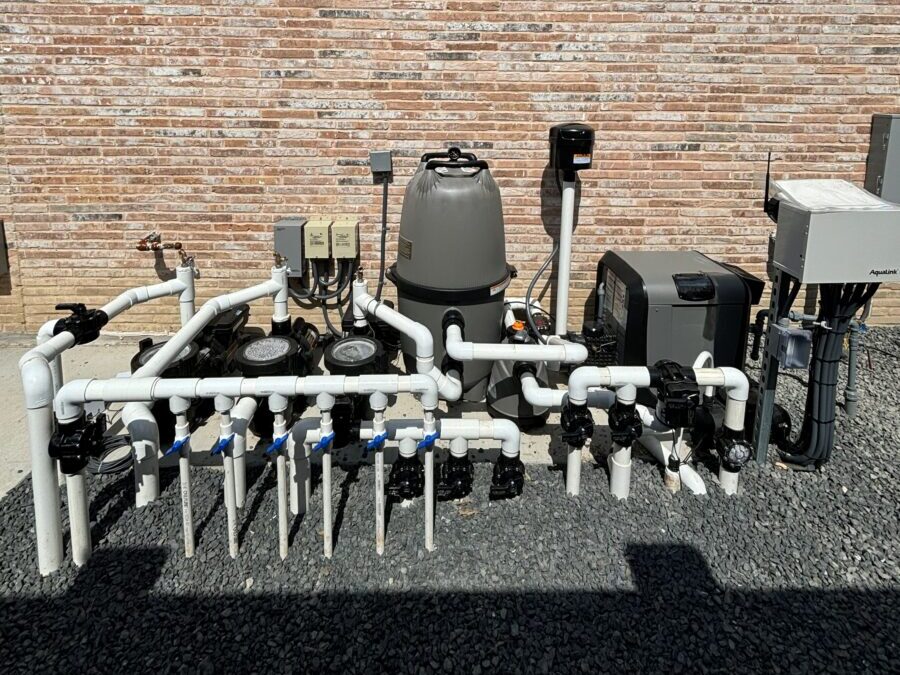
7 Pool Equipment Warning Signs Dallas Homeowners Should Never Ignore
Pool equipment problems often begin with subtle changes in performance before developing into major failures. Recognizing these warning signs helps homeowners determine when professional pool equipment repair is necessary.
1. Why Is Your Pool Pump Making Loud or Unusual Noises?
Grinding, screeching, rattling, or persistent humming can indicate a mechanical problem with your pool pump. Worn bearings, damaged motor components, trapped debris, or restricted water flow may be responsible.
A properly functioning pump typically produces a consistent operating sound. Sudden changes deserve attention, especially when accompanied by reduced circulation.
Watch for these symptoms:
- Grinding or squealing from the pump motor
- Loud rattling during operation
- Humming without the motor starting
- Excessive vibration or overheating
If your pump makes alarming noises or stops circulating water, turn it off using a safe, dry control and schedule professional service. Continuing to operate damaged equipment can make repairs more expensive.
2. What Does Low Water Pressure or Poor Pool Circulation Mean?
Weak return-jet flow, low filter pressure, or insufficient circulation may indicate a clogged system, air leak, malfunctioning pump, or other equipment issue.
Proper circulation distributes pool chemicals, moves debris toward the filtration system, and helps maintain water clarity. When circulation becomes inadequate, pool water can become harder to keep clean and balanced.
According to the Centers for Disease Control and Prevention (CDC), maintaining appropriate disinfectant levels and pH is essential for safer swimming water. Effective circulation and filtration support overall water quality management.
Dallas homeowners should investigate persistent changes in circulation, particularly during summer when warmer water and frequent pool use increase maintenance demands.
3. Are Pool Equipment Leaks an Emergency?
Active leaks around pumps, filters, heaters, and plumbing connections require prompt attention. Even small leaks can worsen, waste water, and damage nearby components.
Common warning signs include:
- Puddles forming around pool equipment
- Water dripping from pump seals or plumbing fittings
- Cracks in filter housings
- Unexplained water loss
- Air entering the pump system
A minor drip may not require emergency service, but a rapidly growing leak, cracked pressurized component, or water near electrical equipment requires immediate action.
If water reaches electrical components, keep clear and have a qualified professional isolate the power safely.
4. Why Does Your Pool Heater Stop Working or Display Error Codes?
A pool heater that fails to start, shuts down unexpectedly, or displays repeated error codes may have a sensor, ignition, flow, or electrical problem.
Heater performance can also suffer when water circulation is inadequate. Many heaters include protective systems that prevent operation under unsafe conditions.
Avoid repeatedly resetting malfunctioning equipment without identifying the cause. If you smell gas near a gas heater, leave the area immediately and contact your gas utility or emergency services from a safe location.
Professional pool heater repair can help restore reliable operation while protecting sensitive components from additional damage.
5. When Are Pool Electrical Problems Dangerous?
Electrical warning signs require immediate attention because water and electricity create serious safety risks.
The U.S. Consumer Product Safety Commission (CPSC) warns about electrical hazards associated with swimming pools, including the risk of electric shock.
Potential warning signs include:
- Breakers that repeatedly trip
- Burning smells or visible smoke
- Sparking near equipment
- Damaged wiring or electrical enclosures
- Tingling sensations when touching pool water or equipment
If you suspect an electrical hazard, keep everyone out of the pool and away from affected equipment. Do not touch wet controls or attempt electrical repairs yourself. Contact a qualified professional immediately.
6. Why Is Your Pool Water Suddenly Cloudy or Green?
Cloudy or green pool water can indicate inadequate filtration, poor circulation, or improper water chemistry. It does not automatically mean equipment has failed, but persistent water clarity problems warrant investigation.
A clogged filter, failing pump, or malfunctioning automation system can interfere with routine pool maintenance.
Check whether the pump is operating normally and whether water is returning through the pool jets. Avoid swimming until water clarity and chemical conditions are confirmed safe.
Dallas summers can accelerate algae growth when sanitation and circulation are inadequate, making timely troubleshooting especially important.
7. Can Unexpectedly High Energy Bills Signal Pool Equipment Failure?
An unexplained increase in electricity consumption can sometimes indicate inefficient pool equipment, particularly when paired with longer operating cycles, unusual motor noise, or overheating.
According to the U.S. Department of Energy, variable-speed pool pumps can reduce energy consumption compared with conventional single-speed models under appropriate operating conditions.
A struggling motor, incorrect pump settings, or equipment running longer than necessary may contribute to higher operating costs.
A professional inspection can determine whether repair, adjustment, or equipment replacement is the more practical solution.
How Quickly Should You Schedule Pool Equipment Repair in Dallas?
The urgency of pool equipment repair depends on the symptoms and potential safety risks. While some issues require immediate professional attention, others should be addressed promptly to prevent further damage.
- Electrical shock, sparks, or burning smells: Keep everyone away from the pool and equipment and seek immediate qualified assistance.
- Gas smells near the heater: Leave the area and contact emergency services or your gas utility from a safe location.
- Major equipment leaks: Shut down the affected equipment if it is safe to do so and request urgent repair service.
- Pump failure or no circulation: Arrange professional repair as soon as possible, ideally the same day.
- Unusual pump noises: Stop operating the affected equipment and schedule a professional inspection.
- Minor leaks or reduced efficiency: Schedule repair service before conditions worsen.
Dallas experiences prolonged summer heat, which makes reliable pool circulation especially important. During winter, North Texas freezing temperatures can also damage exposed plumbing, pumps, and filters.
Addressing equipment problems early can reduce the likelihood of more extensive repairs, minimize downtime, and extend the lifespan of your pool equipment throughout the year.
Frequently Asked Questions About Pool Equipment Repair
Can I Run My Pool If the Pump Is Not Working?
No. Without proper circulation, filtration and chemical distribution can be compromised. Avoid swimming until the pump is repaired and water conditions are verified as safe.
How Long Does Pool Equipment Typically Last?
Pool pumps can last many years, depending on usage, maintenance, installation quality, and environmental conditions. Regular professional inspections can help identify developing problems before complete equipment failure.
Is It Better to Repair or Replace a Pool Pump?
Repair may be appropriate for isolated issues such as worn seals or replaceable components. Replacement may offer better long-term value when the motor has extensive damage, repairs are recurring, or an older pump operates inefficiently.
How Can I Prevent Unexpected Pool Equipment Breakdowns?
Schedule routine pool maintenance, clean filters as recommended, monitor operating pressure, and inspect equipment for leaks or unusual sounds. Professional inspections can identify worn components before they cause major disruptions.
Need Pool Equipment Repair in Dallas, TX? Contact The Blue Lagoons Pools & Spas!
Don’t let a small equipment problem turn into a major repair. Whether your pump is making strange noises, your heater has stopped working, or your pool is experiencing circulation problems, The Blue Lagoons Pools & Spas is here to help.
Our team is committed to helping Dallas homeowners maintain safe, efficient, and dependable swimming pools through professional service and equipment repair.
Protect your investment and get back to enjoying your backyard. Contact The Blue Lagoons Pools & Spas today to schedule professional pool equipment repair in Dallas, TX!