Should You Choose a Pergola or Patio Cover for Your Dallas Backyard?
For a Dallas backyard, choose a pergola when you want filtered shade, airflow, and an open architectural feature, especially around a pool or garden. Choose a patio cover when you want more complete sun protection and a roof that helps keep your outdoor living area dry. The right choice depends primarily on shade needs, weather protection, backyard use, and design style.
At The Blue Lagoons Pools & Spas, we understand that a great backyard is more than a collection of individual features. Pools, patios, outdoor kitchens, landscaping, and shade structures should work together to create one comfortable, cohesive outdoor environment. For Dallas homeowners, that planning is particularly important because intense summer sun can determine when and how comfortably you use your backyard. Our approach to outdoor living focuses on designing around the homeowner’s lifestyle, the existing architecture, and the way each space will actually be used. Whether your vision includes a light, airy pergola beside the pool or a covered entertaining area for dining and relaxing, thoughtful design can turn shade into an integral part of your backyard rather than an afterthought.
Pergola vs. Covered Patio: Comparing Shade for Dallas Outdoor Living
The biggest distinction between a traditional pergola and a covered patio is overhead coverage. A pergola generally uses an open framework of beams or rafters that filters sunlight, while a solid patio cover provides substantially more protection from direct sun and rain. Landscaping Network similarly defines a pergola as an open-roof structure that provides filtered shade, while describing a patio cover as a structure intended to provide shade and/or rain coverage.
That difference becomes especially important in North Texas. According to the National Weather Service, the 1991-2020 normal high at Dallas/Fort Worth is 95.6°F in July and 95.8°F in August. The average annual extreme maximum exceeds 103°F. Shade, therefore, can have a major influence on how usable a Dallas outdoor living area feels during summer.
How Much Shade Does a Pergola Provide?
A traditional pergola provides partial, filtered shade rather than continuous overhead coverage. Its open beams create changing patterns of sun and shade while allowing air and natural light into the space.
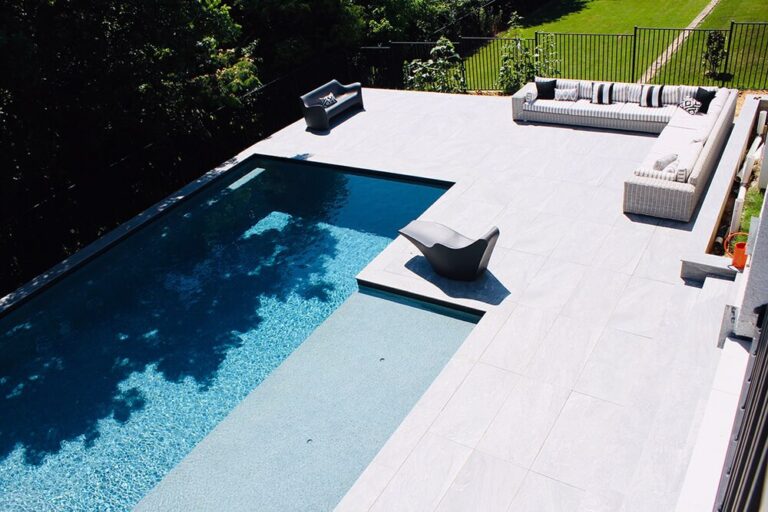
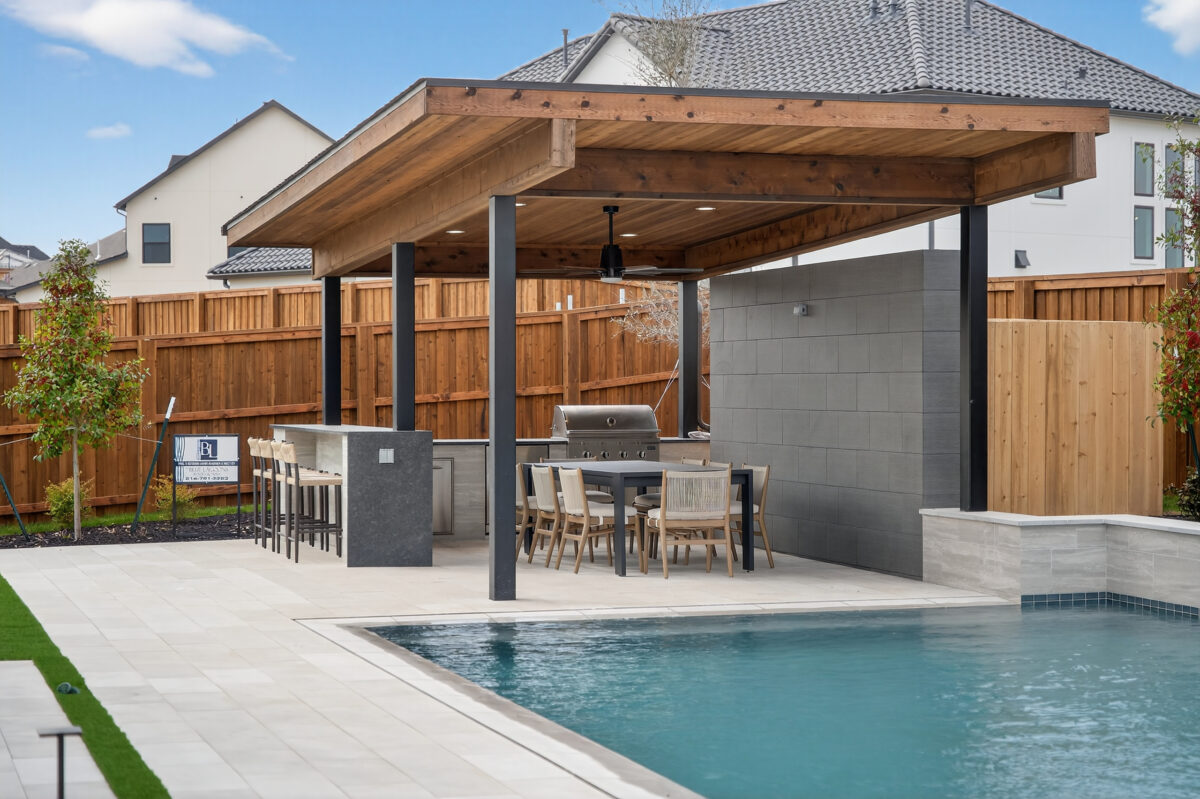
That makes a pergola particularly attractive when the goal is to add architectural definition without making the backyard feel enclosed. Around a custom swimming pool, for example, a pergola can distinguish a lounge or conversation area while preserving views of the water and landscaping.
A pergola may be a strong fit when you want:
- Filtered rather than complete shade
- An open, airy poolside environment
- A distinct outdoor seating or lounge zone
- Architectural interest that complements the home
- A framework for landscaping, lighting, or other design details
Sun orientation matters. A beautiful open structure may provide less practical afternoon shade if it is not designed around the path of the sun. For Dallas properties, considering western exposure is especially useful when planning spaces intended for late-afternoon and evening use.
Is a Patio Cover Better for the Dallas Heat?
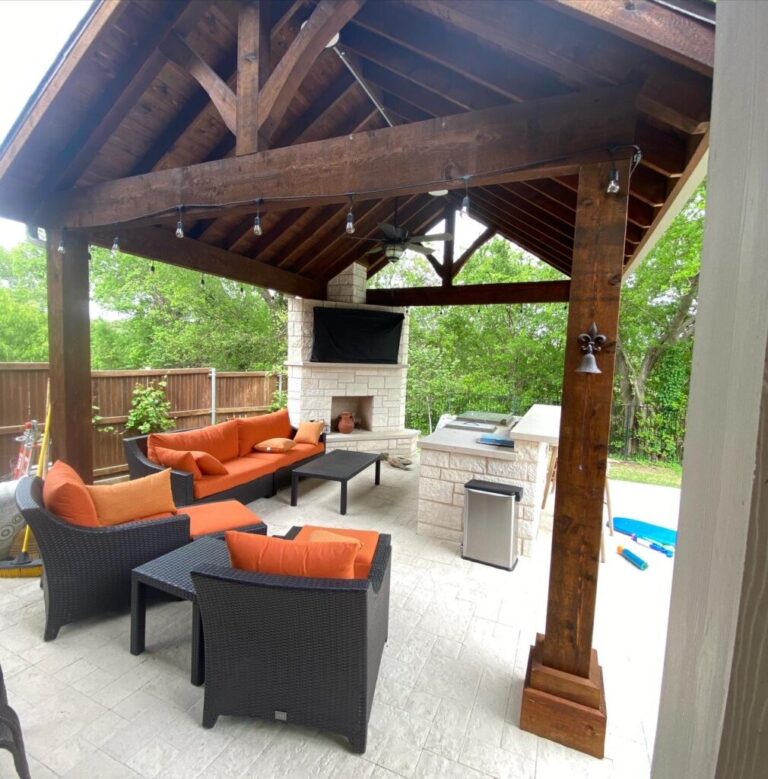
A solid patio cover is generally the more practical option when maximum, predictable shade is the priority. Unlike an open pergola, its roof blocks direct overhead sunlight and can also shed rain, creating a more sheltered outdoor room.
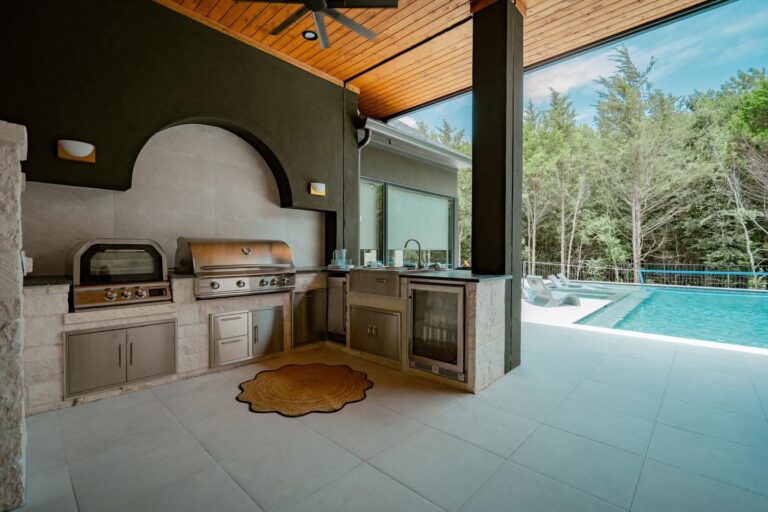
That protection can be especially valuable over areas where homeowners expect to spend longer periods of time, such as an outdoor kitchen, dining table, television area, or upholstered seating arrangement.
Consider a covered patio when your priorities include:
- Consistent shade throughout the day
- Rain protection
- Outdoor dining and entertaining
- Protecting furnishings from direct overhead exposure
- Creating an outdoor space that feels like an extension of the home
The tradeoff is openness. A large solid roof changes the amount of daylight reaching both the patio and potentially adjacent interior rooms. The structure’s size, height, orientation, and relationship to windows should therefore be considered as part of the overall backyard design.
Which Looks Better Around a Custom Pool?
The best-looking option is the one that matches the architecture and visual character of the entire property. Pergolas tend to create a lighter visual footprint, while solid patio covers can create a stronger sense of an outdoor room.
For contemporary pools, a clean-lined pergola can echo geometric decking, modern coping, and simple landscape design. Traditional homes may pair beautifully with timber-inspired structures or covered patios incorporating rooflines and finishes that relate to the house.
The placement matters just as much as the structure itself. A shade structure can be positioned to:
- Create a destination at one end of the pool.
- Connect an outdoor kitchen to the main entertaining area.
- Shade a dining or conversation space.
- Frame a view of the pool from the house.
- Establish a transition between the home and landscape.
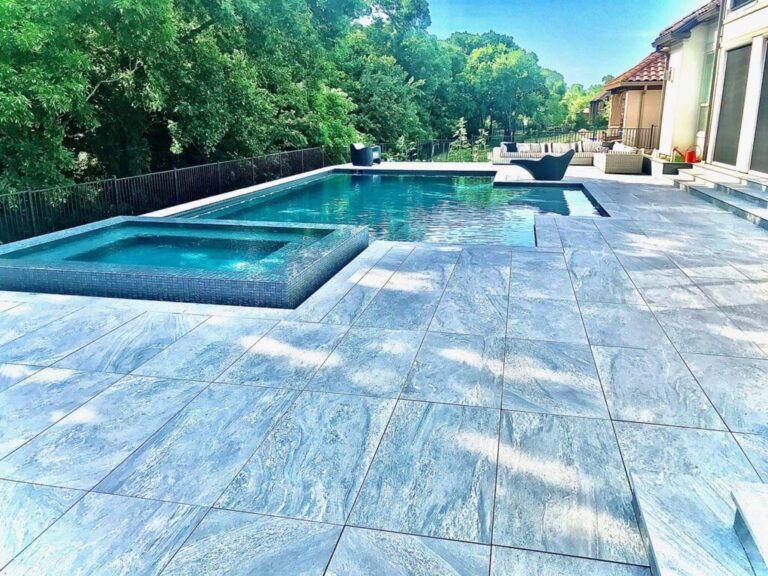
This is where planning the pool and outdoor living design together can make a noticeable difference. Instead of fitting a shade structure into leftover space, the entire backyard can be organized around movement, views, entertaining, and comfort.
Can You Get the Benefits of Both?
Yes. Modern outdoor structures can blur the traditional distinction between pergolas and patio covers. Adjustable louvered pergolas, for example, can provide an open-air feeling when the louvers are open and substantially greater overhead coverage when they are closed.
Another approach is to combine different types of coverage within the same backyard. A Dallas homeowner might use a solid cover over an outdoor kitchen and dining area while choosing a pergola for poolside seating.
This layered strategy works particularly well for larger custom backyards because every outdoor zone does not need to perform the same function.
Do Pergolas and Patio Covers Require Permits in Dallas?
Permit requirements can depend on the structure and property, so homeowners should verify current rules before construction begins. City of Dallas materials specifically identify patio cover construction as a type of work addressed through its permitting framework, and city planning materials identify pergolas among accessory structures.
Property setbacks, utilities, structural connections, electrical additions, HOA requirements, and other site-specific considerations can also influence a project. Confirming these details during the planning stage helps avoid designing an outdoor structure that later needs significant changes.
How to Choose the Right Backyard Shade Structure
Start with how you expect to use the covered area, rather than deciding based only on appearance.
If you picture relaxing beside the pool beneath filtered sunlight and want to maintain an open connection with the landscape, a pergola may suit the design. If you envision family dinners, outdoor cooking, watching television, or entertaining without being as dependent on direct sun or passing rain, a patio cover may better support those activities.
Also consider the home’s orientation. In the Dallas climate, the location and angle of afternoon sunlight can make two otherwise identical shade structures perform very differently.
Finally, think beyond the structure itself. Pool placement, decking, outdoor kitchens, walkways, landscaping, lighting, furniture, and shade all contribute to how the finished backyard functions. Designing them as one environment helps create natural traffic flow and a more intentional finished appearance.
Frequently Asked Questions About Pergolas and Patio Covers
What is the main difference between a pergola and a patio cover?
A traditional pergola has an open framework overhead that filters sunlight, while a solid patio cover provides more complete shade and rain protection.
Are pergolas good for hot Dallas backyards?
Pergolas can work well in Dallas when homeowners want partial shade while maintaining airflow and an open feel. For areas where consistent protection from intense summer sun is the main priority, a solid patio cover may provide more dependable coverage.
Can a pergola be built next to a swimming pool?
Yes. A pergola can define a poolside lounge, conversation area, or transition between the pool and another outdoor living zone while maintaining an open view of the backyard.
Should I put a patio cover over an outdoor kitchen?
A covered structure can be especially useful for an outdoor kitchen because it provides predictable shade and weather protection. The design should account for appliance specifications, ventilation, heat-producing equipment, electrical components, and applicable building requirements.
Ready to Create More Comfortable Shade in Your Dallas Backyard?
A pergola and patio cover can both transform a backyard, but the right structure should complement your pool, home, lifestyle, and plans for outdoor entertaining. The Blue Lagoons Pools & Spas can help you create a cohesive outdoor living design that brings those elements together. Contact The Blue Lagoons Pools & Spas to start planning your outdoor space.